Section 2 · 7 guides · 250–1125 m
The Massif
The physical Luberon — its geology, its two halves, the altitude zones from summit to plain, and the line the whole landscape is drawn along.
Listed highest first, like everything else here. The height is the site's own filing, not a summit reading.
- 1125 m · The SummitMourre Nègre — Bald, Windy, and Worth It Once At 1125 metres, Mourre Nègre is the high point of the Grand Luberon — treeless, exposed to the mistral, with a 360-degree view that makes the whole regional geography legible at once.4 min
- 700 m · The Cedar PlateauThe Top of the Petit Luberon, Planted The Petit Luberon plateau is not bare like Mourre Nègre but planted — cedar forest, garrigue, rough farmland at the edge where cultivation becomes impossible.4 min
- 700 m · The Cedar PlateauThe Cedar Forest Above Bonnieux Was Planted on Purpose The cedar forest on the Petit Luberon above Bonnieux is not indigenous — it was planted in the nineteenth century as a reforestation experiment, and it has shaped the plateau's microclimate ever since.3 min
- 550 m · The Hard BandGrand and Petit: What the Division Actually Means The Luberon massif is conventionally divided into Grand and Petit at the Lourmarin combe — but the distinction is physical, not administrative.3 min
- 520 m · The Hard BandWhat a Borie Is, and Why There Are So Many The corbelled dry-stone huts called bories are scattered across the Luberon plateau in concentrations that tell you something about field clearance, transhumance and land use over centuries.3 min
- 480 m · The Perched VillagesFebruary in the Luberon Is Not a Consolation Prize An argument for the Luberon outside high summer — the bare vine rows, the empty perched lanes, the light on limestone that August crowds out.8 min
- 250 m · The Calavon FloorThe Calavon and the Road Everyone Actually Uses The Calavon valley runs east–west along the northern foot of the Luberon, carrying the N100 and connecting Apt to Cavaillon.4 min
The other sections
Same massif, different subject — still filed downhill.
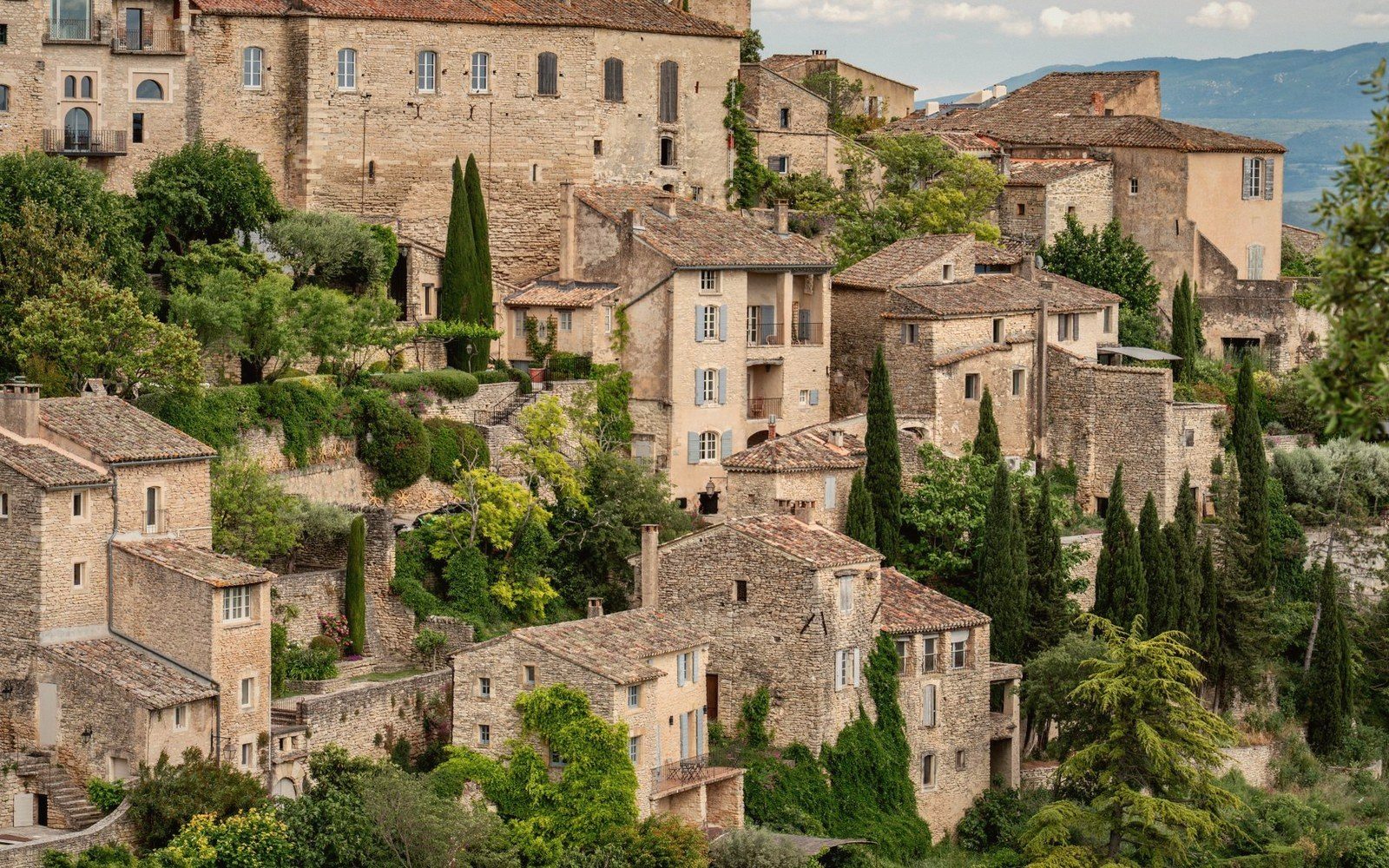
The Villages
The perched villages of the Luberon — what they are, how they differ by flank and altitude, and what it is actually like to arrive.
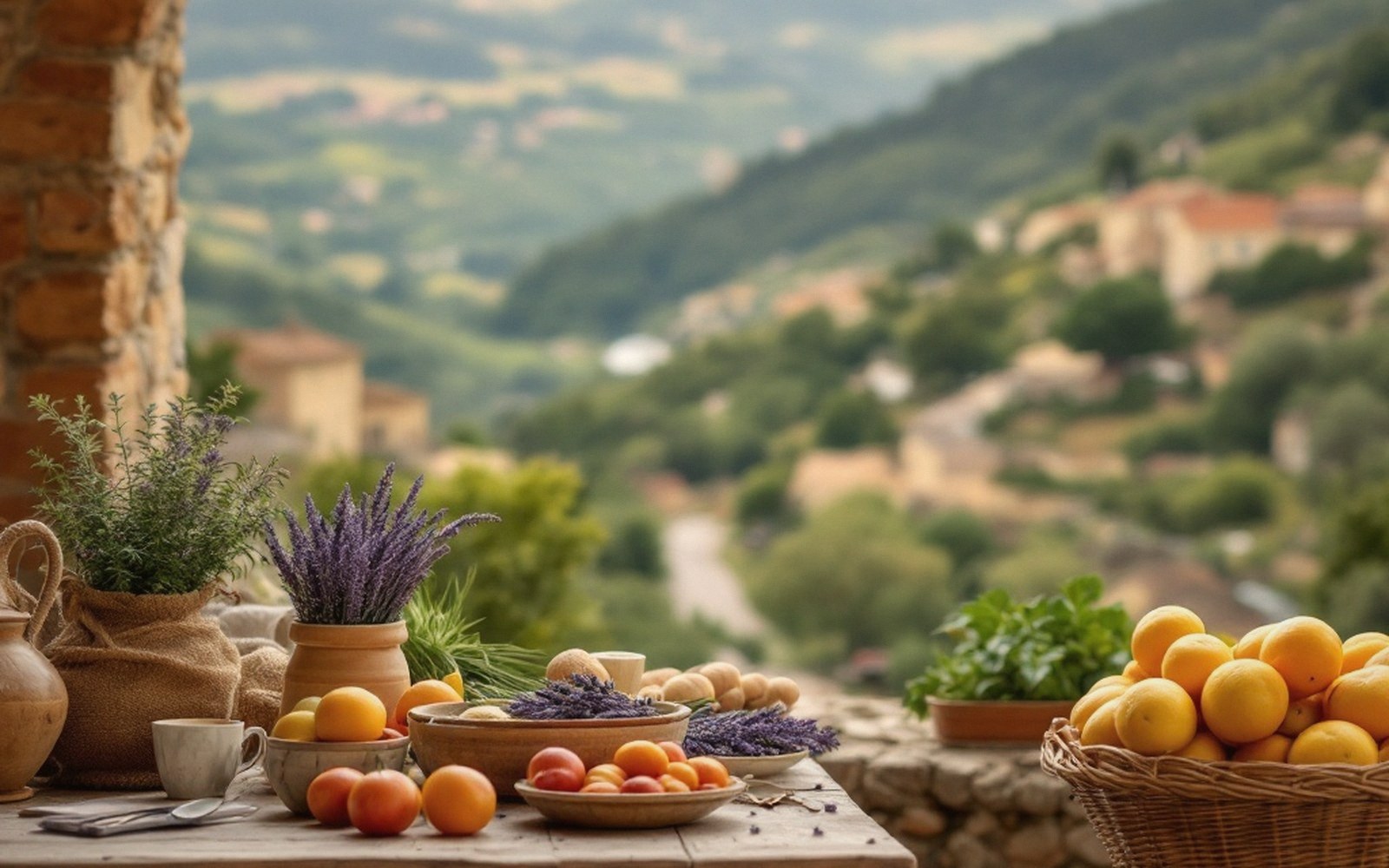
Markets & Food
The food that comes off this specific ground — markets, producers, seasonal rhythms, and what to understand before you go.
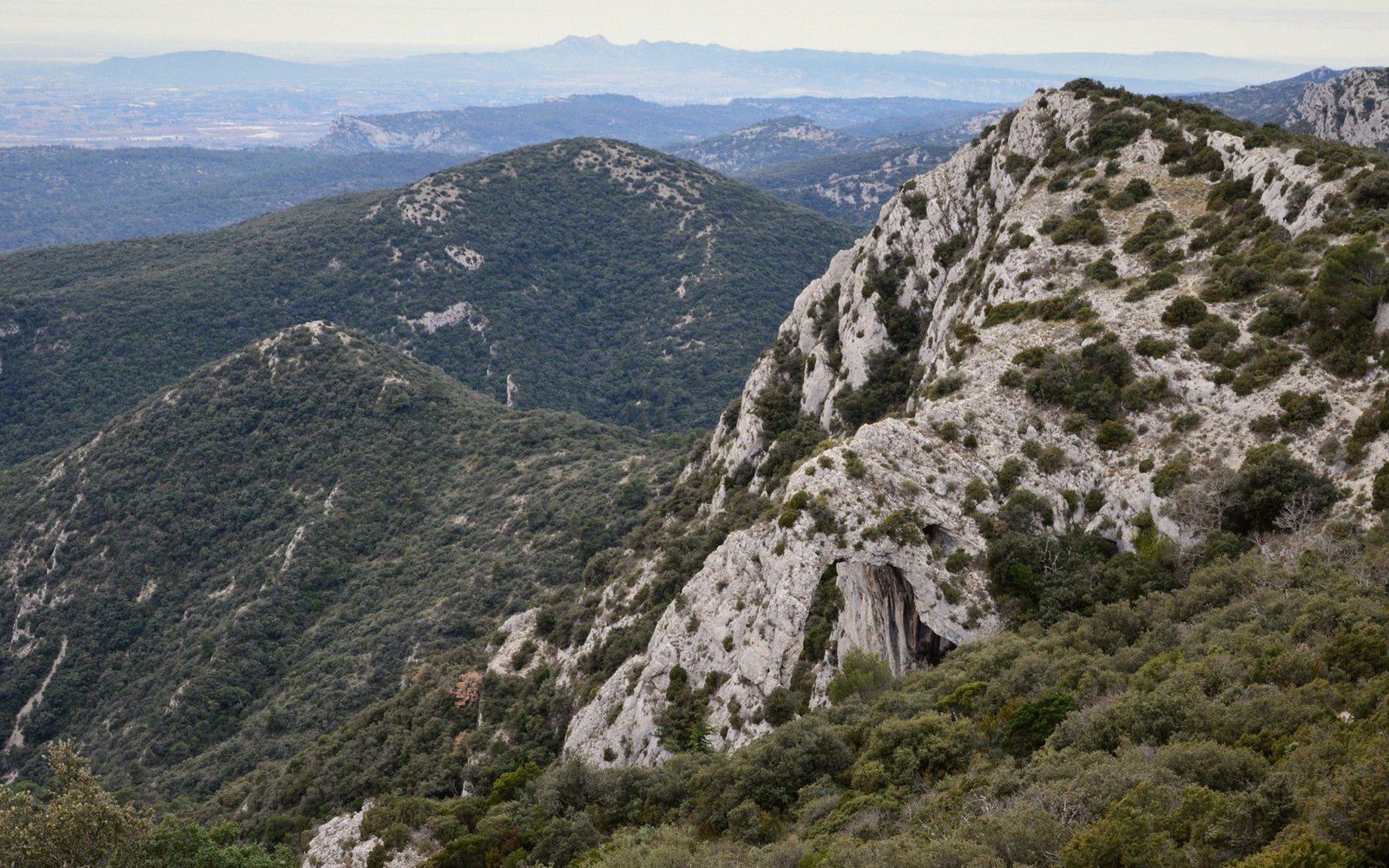
Wine
Luberon AOC and the surrounding appellations — what the altitude and the mistral do to the vines, and how to read the landscape before you read the label.
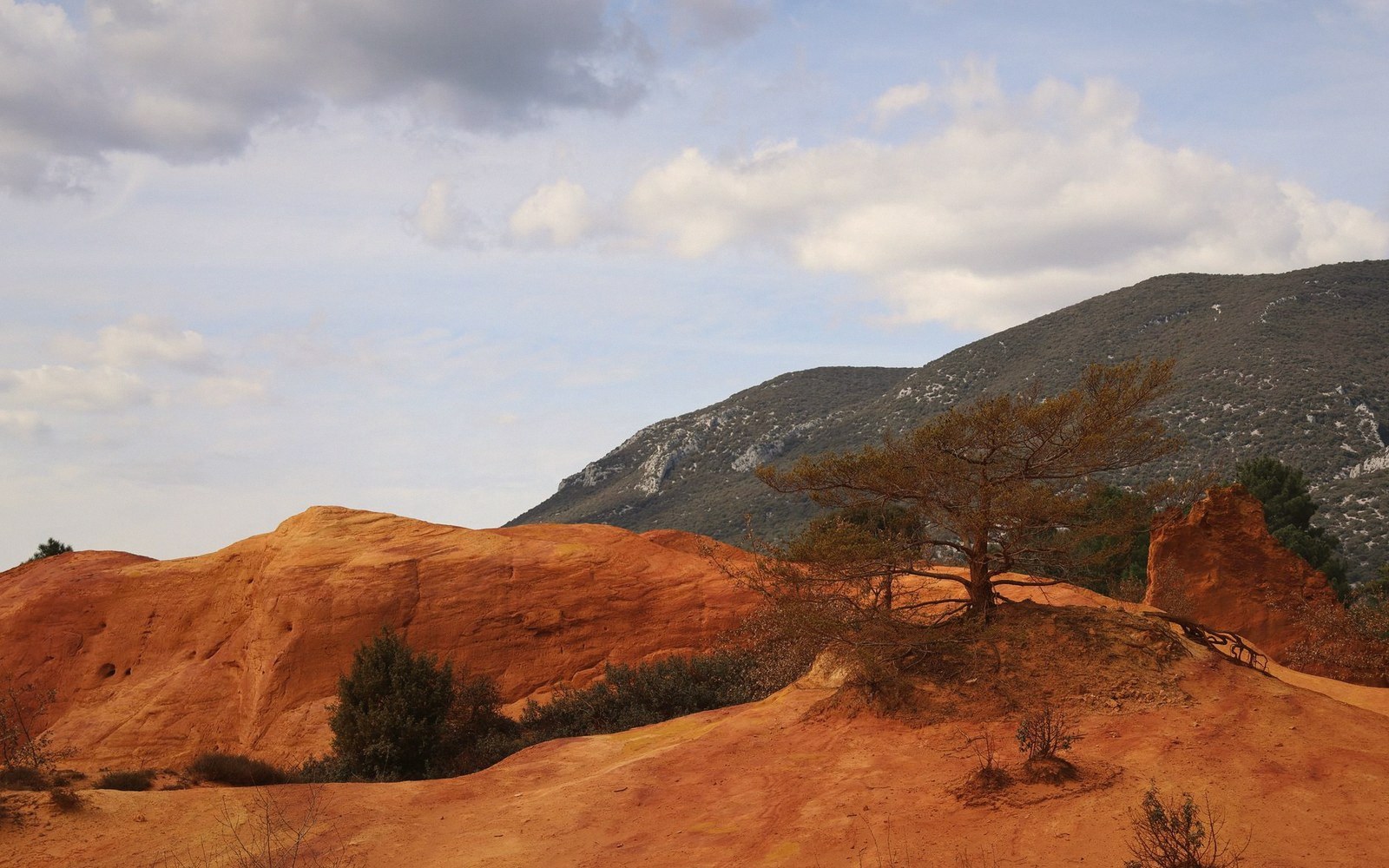
Walking & Cycling
Routes that use the altitudinal logic of the massif — what you gain, what you cross, and how the landscape changes underfoot.