Section 4 · 4 guides · 110–350 m
Wine
Luberon AOC and the surrounding appellations — what the altitude and the mistral do to the vines, and how to read the landscape before you read the label.
Listed highest first, like everything else here. The height is the site's own filing, not a summit reading.
- 350 m · The Perched VillagesThe Two Sides of the Massif Taste Different Vines on the north flank of the Luberon ripen later and produce wines with more acidity; the south flank is warmer, earlier, and rounder.3 min
- 220 m · The South FlankWhat the Luberon AOC Actually Covers The Luberon AOC is not well known outside France, which means it is often confused with the Ventoux or the Côtes du Rhône to its north.6 min
- 190 m · The Market GardensBare Vines Tell You More Than Full Ones Winter is the season when Luberon vine rows reveal the geology beneath them — the limestone, the clay, the ochre — because the canopy is gone and the soil is exposed.3 min
- 110 m · The Market GardensVines to the Durance, and Spring Three Weeks Early The lowest Luberon vineyards, on the alluvial plain running toward the Durance, are warmer, more fertile, and earlier-ripening than those on the massif — which means they produce a different style entirely.3 min
The other sections
Same massif, different subject — still filed downhill.
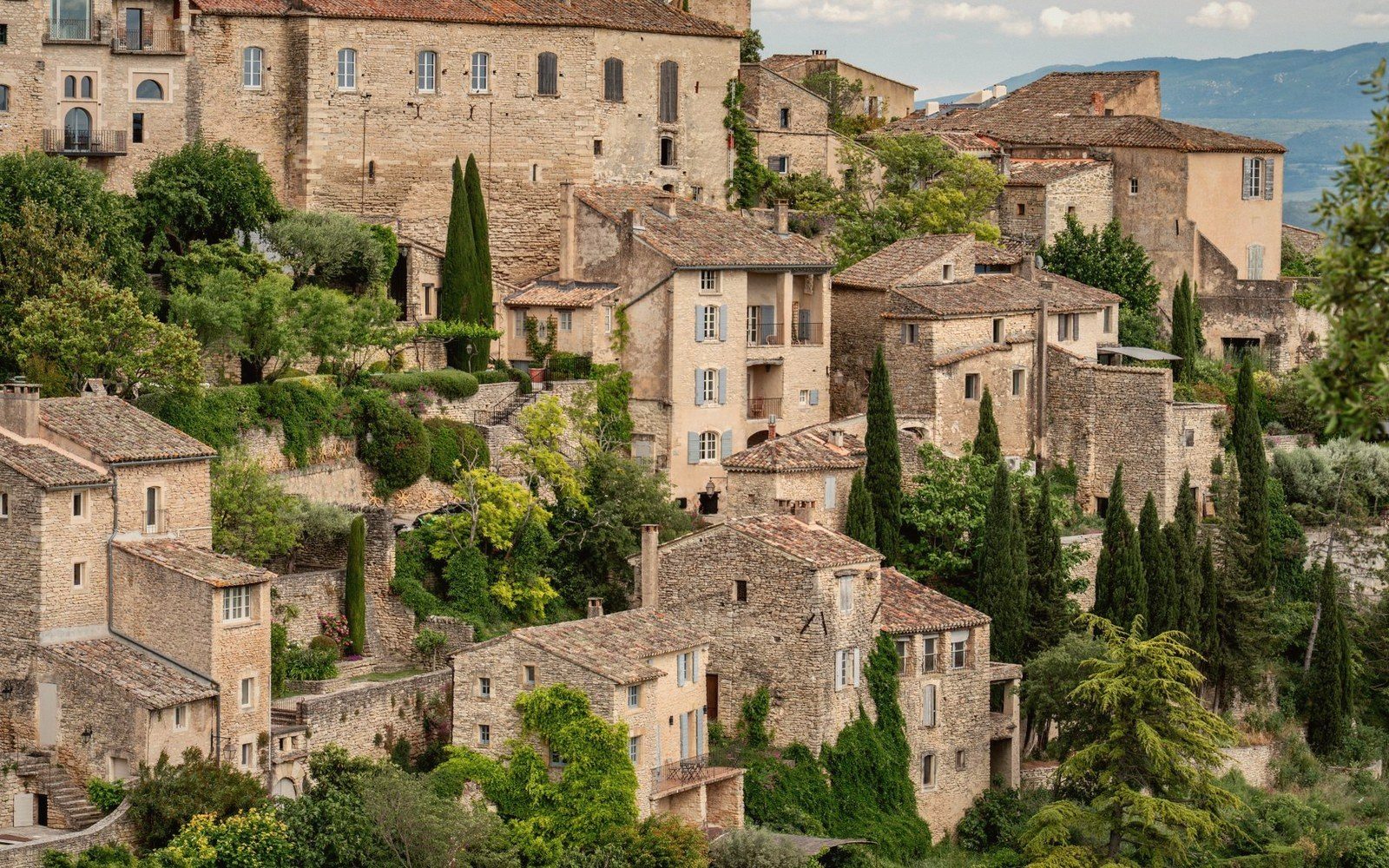
The Villages
The perched villages of the Luberon — what they are, how they differ by flank and altitude, and what it is actually like to arrive.
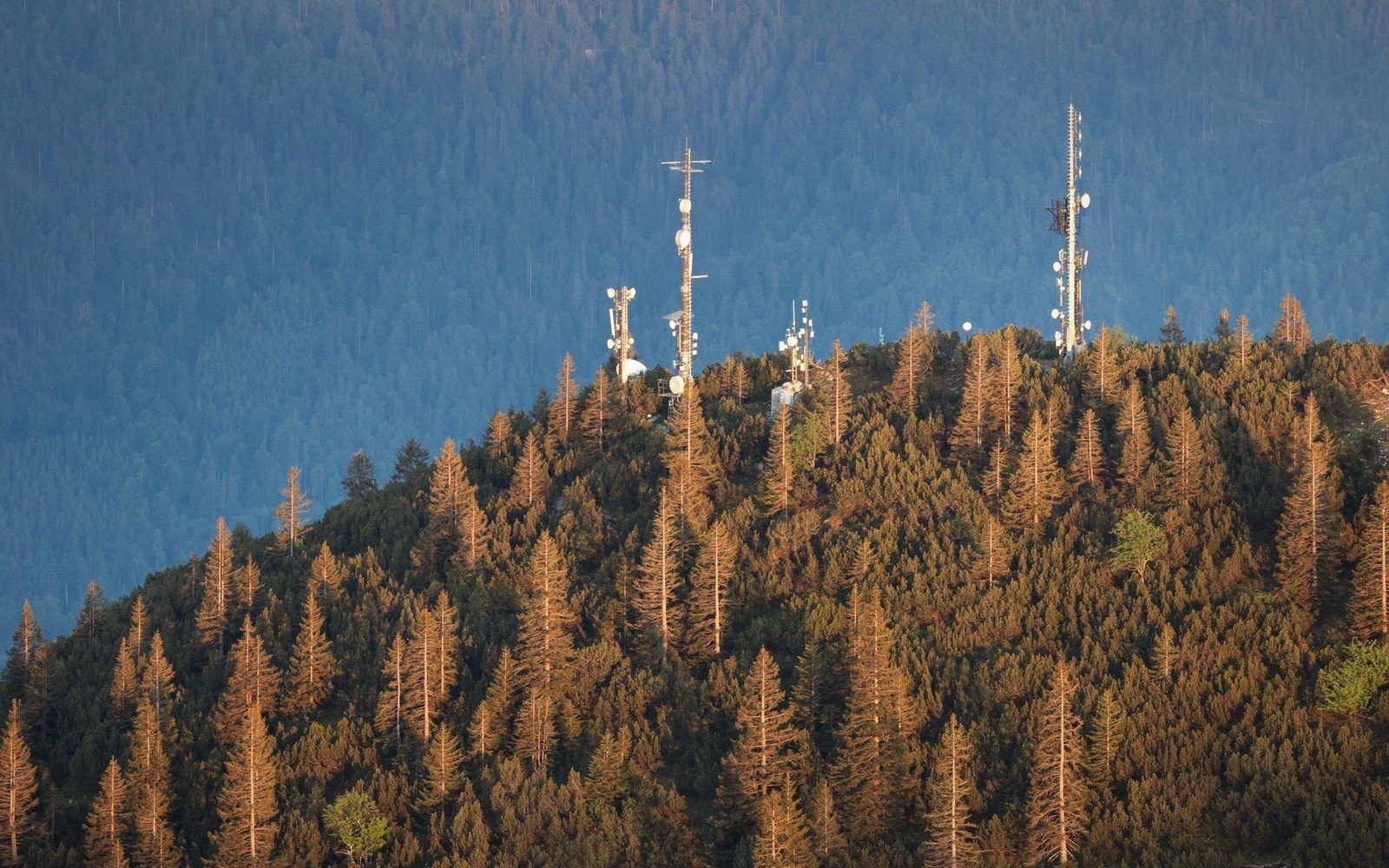
The Massif
The physical Luberon — its geology, its two halves, the altitude zones from summit to plain, and the line the whole landscape is drawn along.
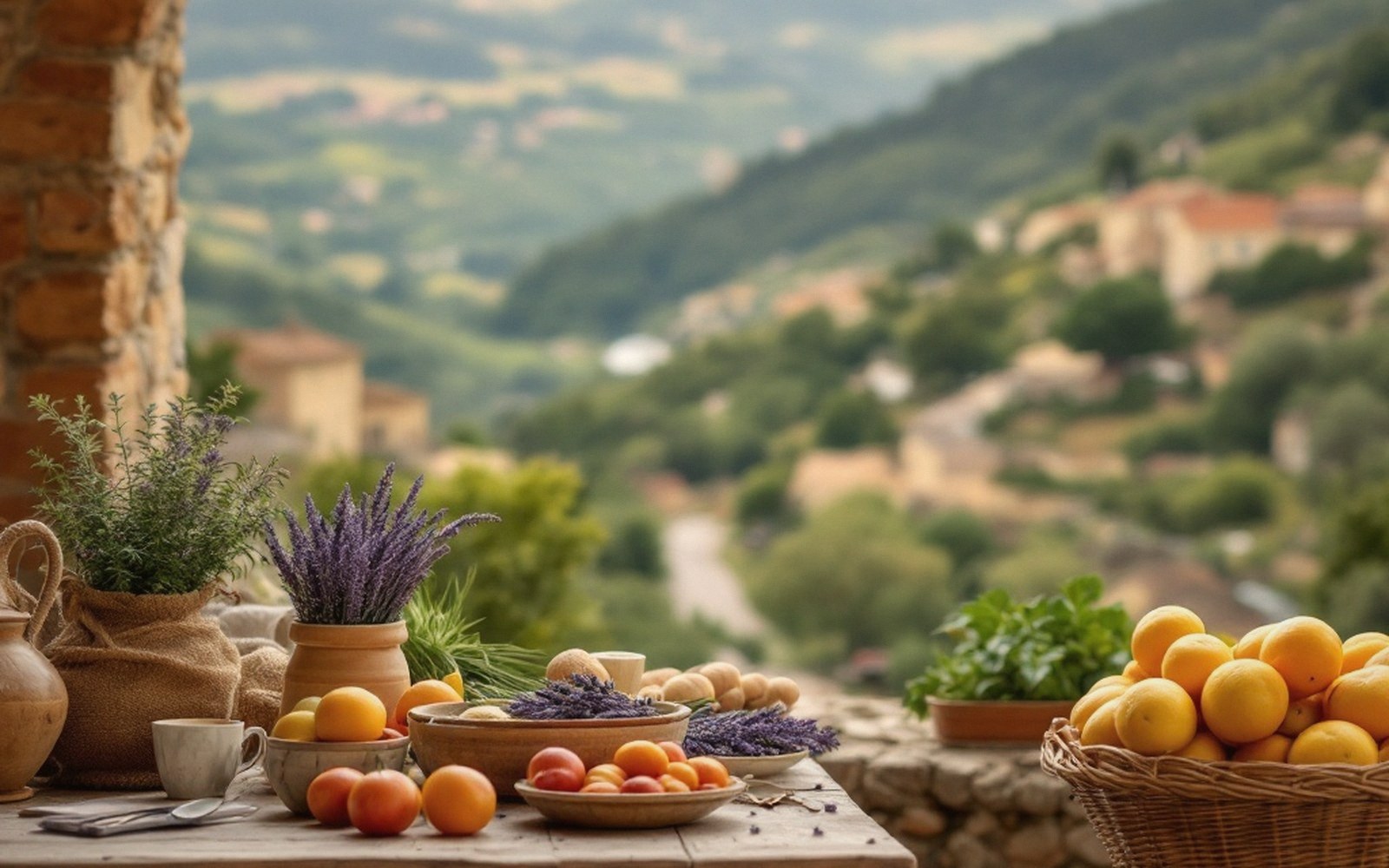
Markets & Food
The food that comes off this specific ground — markets, producers, seasonal rhythms, and what to understand before you go.
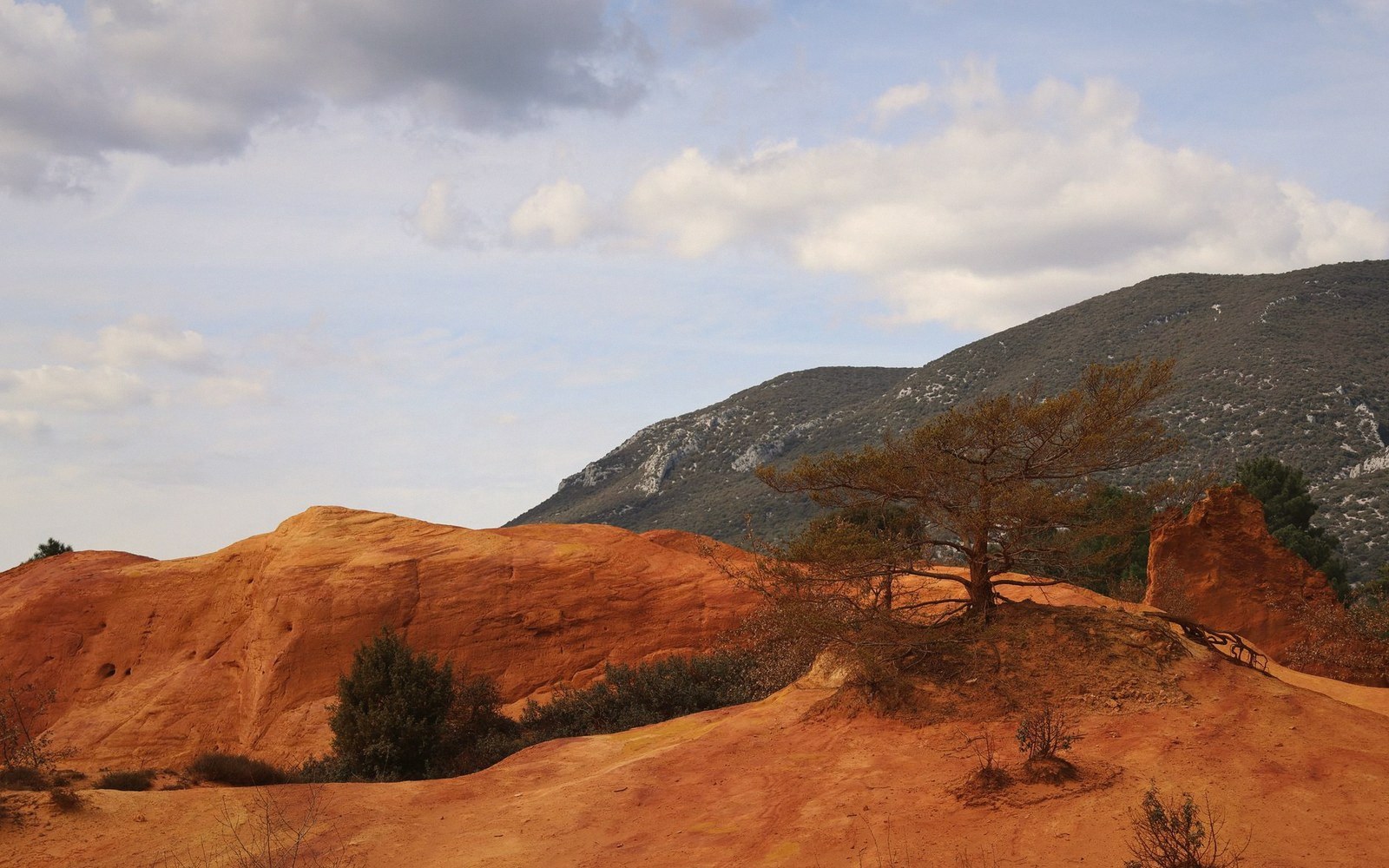
Walking & Cycling
Routes that use the altitudinal logic of the massif — what you gain, what you cross, and how the landscape changes underfoot.