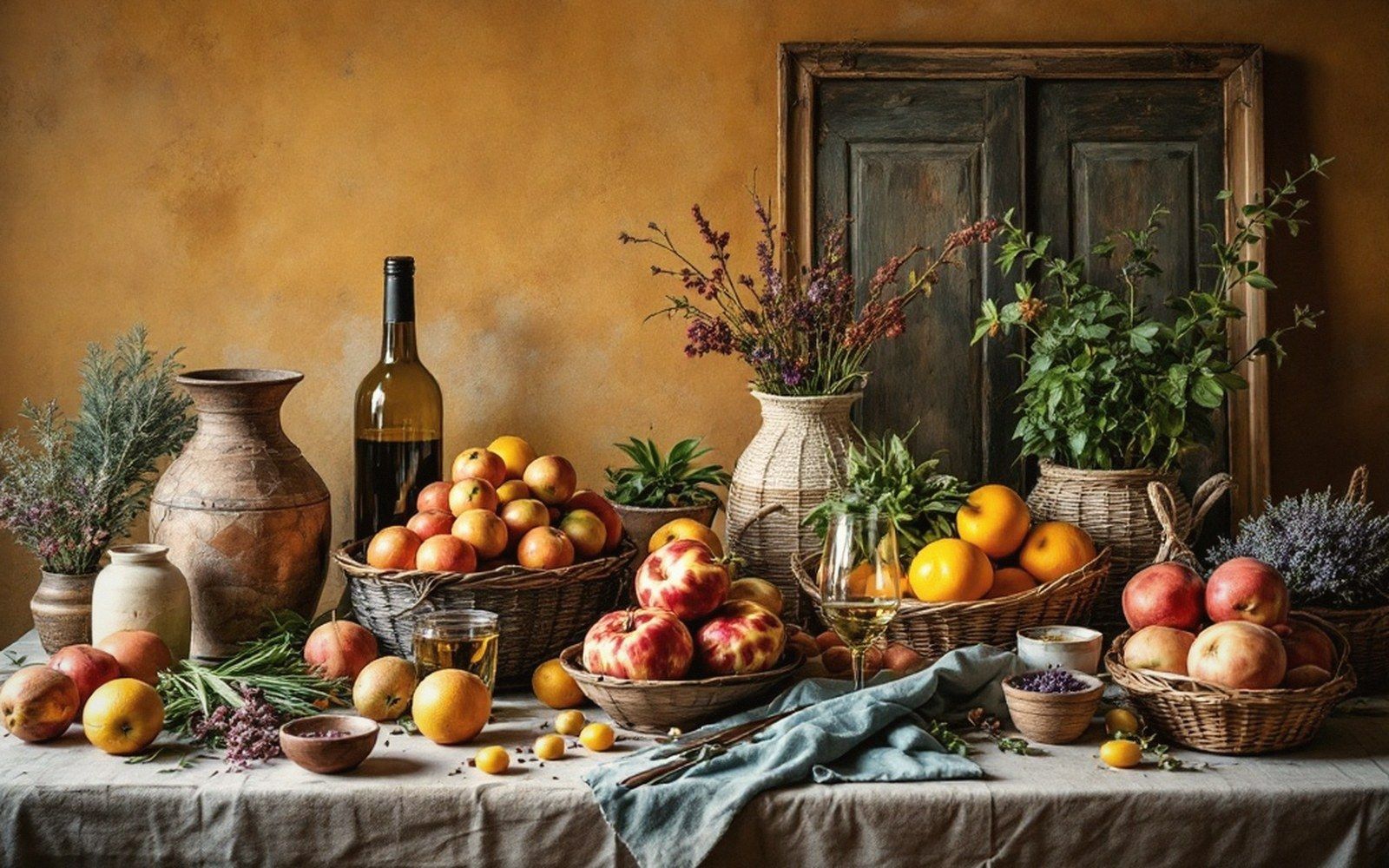
The southern plain ripens faster, reads fuller, and makes wines the massif slopes cannot.
The Flat That Keeps Its Own Calendar
Drop below the perched villages and the geology changes beneath your feet. The alluvial plain running from the southern foot of the Luberon toward the Durance is deep, well-watered soil — colluvium washed off the massif over millennia, mixed with river-borne gravel. It holds warmth differently from the limestone and clay of the slopes above. Buds break earlier here, sometimes three weeks before the same variety is stirring on the mid-altitude terraces. Harvest follows suit.
That calendar gap produces a distinct style. Grenache grown on the plain arrives at ripeness with more residual sugar and softer tannins than the same grape harvested from a north-facing limestone shelf. The wines tend toward roundness and early approachability — generous on the palate in a way that the cooler, higher-altitude reds of the Luberon AOC are not, at least not young. Neither is better; they are answers to different questions.
Altitude, in other words, is not a boundary within the appellation — it functions as a continuous gradient. The same AOC designation covers vine parcels that sit near river level and parcels that climb toward the garrigues, and the wines at either end of that gradient behave almost as though they come from separate regions. A producer drawing fruit from multiple elevations is essentially blending across a climatic spectrum, which is one reason Luberon blends can be more complex than their price suggests.
Fertility Is Not Always the Winemaker's Friend
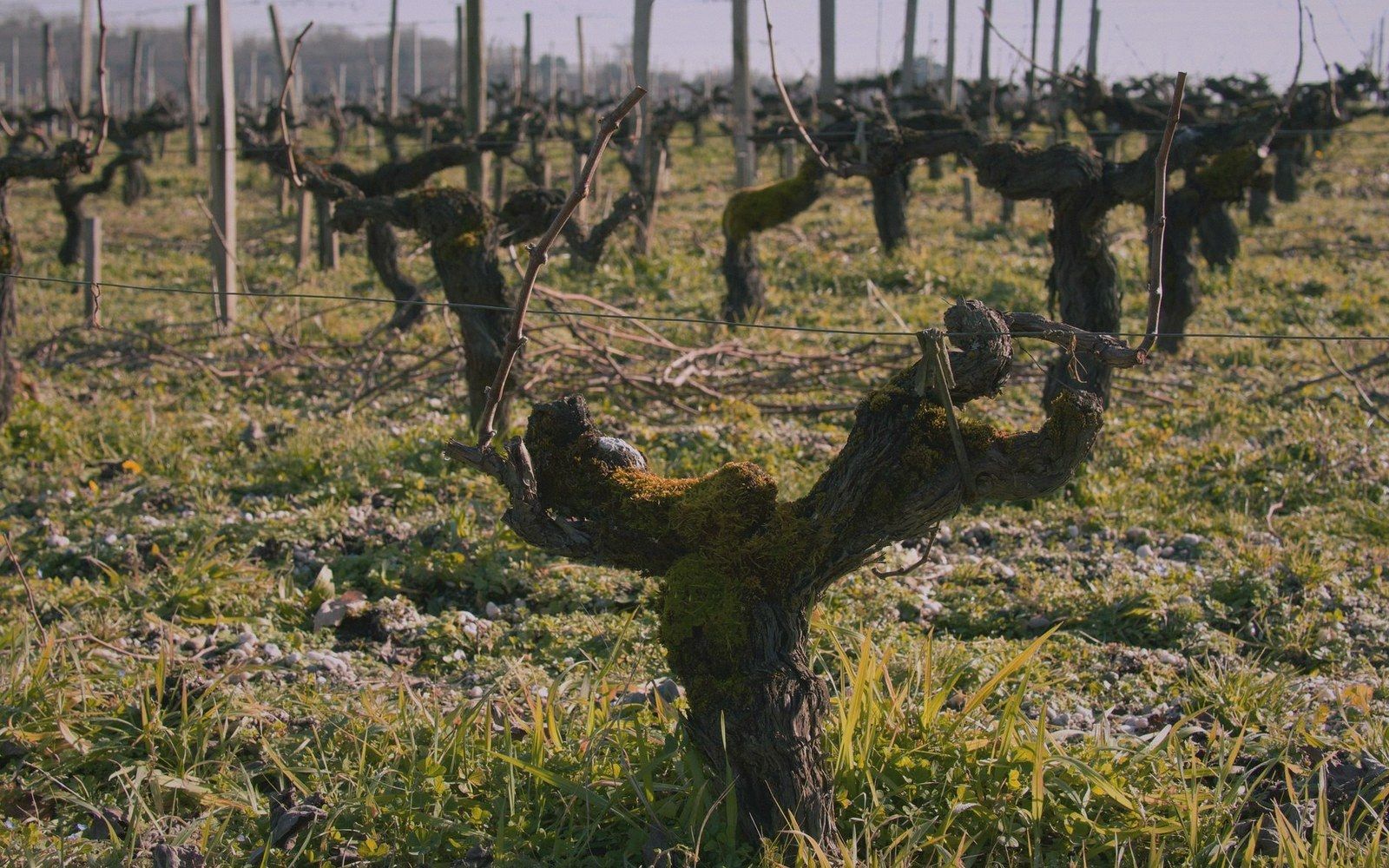
The plain's depth and irrigation potential create a management challenge the slopes do not share. Fertile alluvial soils push vigour — vignes (vines) want to grow canopy rather than concentrate on fruit, and without careful yield control the result is dilute, high-volume wine that earns the appellation little credit. The most conscientious producers here work to restrain the soil's generosity: green-harvesting in summer, strict canopy management, sometimes deliberately stressing roots by limiting water access. Done well, the result is a wine with the ripeness of low ground, the warmth of the Durance corridor, and a texture the massif slopes rarely achieve.
Rosé is often the most persuasive argument for these lower parcels. The warmth drives phenolic ripeness without surrendering freshness entirely, and the Grenache-Syrah combinations grown here produce rosés with body enough to sit alongside food — not the pale, almost neutral style that some of the higher, cooler ground tends to yield. The plain is less photogenic than the terraced slopes above it, but it is earning its place in the bottle.