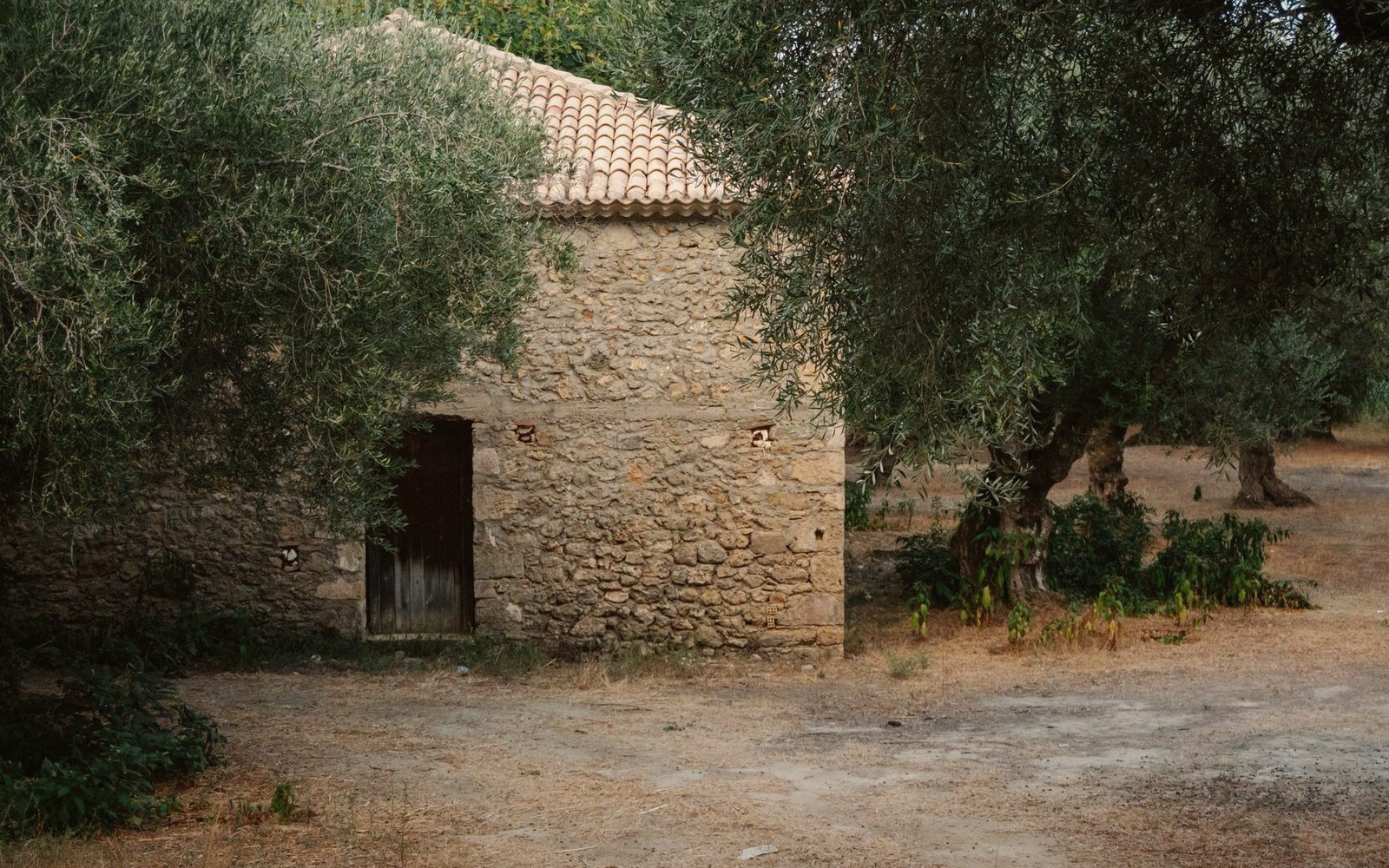
The southern side of the Luberon is sheltered and sun-facing — conditions that barely tip olive cultivation from marginal to viable, and produce an oil that rewards some attention.
What the Terrain Gives
The southern flank of the Luberon drops toward the Durance plain in a series of dry limestone terraces facing roughly south-southwest. The mistral, which hammers the northern side and the Calavon valley with real force, arrives here softened and deflected. That combination — sun angle, shelter, poor alkaline soil — is what olive trees require, and groves reappear on this side of the massif where they would struggle or fail on the north face.
This does not make the southern Luberon a major oil-producing zone. The volumes are modest, the groves are often old and mixed in with other crops, and the landscape is nothing like the dense, managed plantations of the Vallée des Baux or the coastal hinterland around Maussane-les-Alpilles. What it does produce is oil from orchards that are often verging on abandonment or very small-scale family management — which sounds like a disadvantage but is not always one.
The dominant local varieties — salonenque and aglandau — both appear here. Aglandau, known also as verdale de Carpentras in other regions, gives a notably grassy, peppery oil with some intensity at the back of the throat; salonenque tends to be milder and more buttery. A small producer blending the two from old mixed-variety trees will often produce something with more complexity than a large single-variety mill.
Finding It at Markets
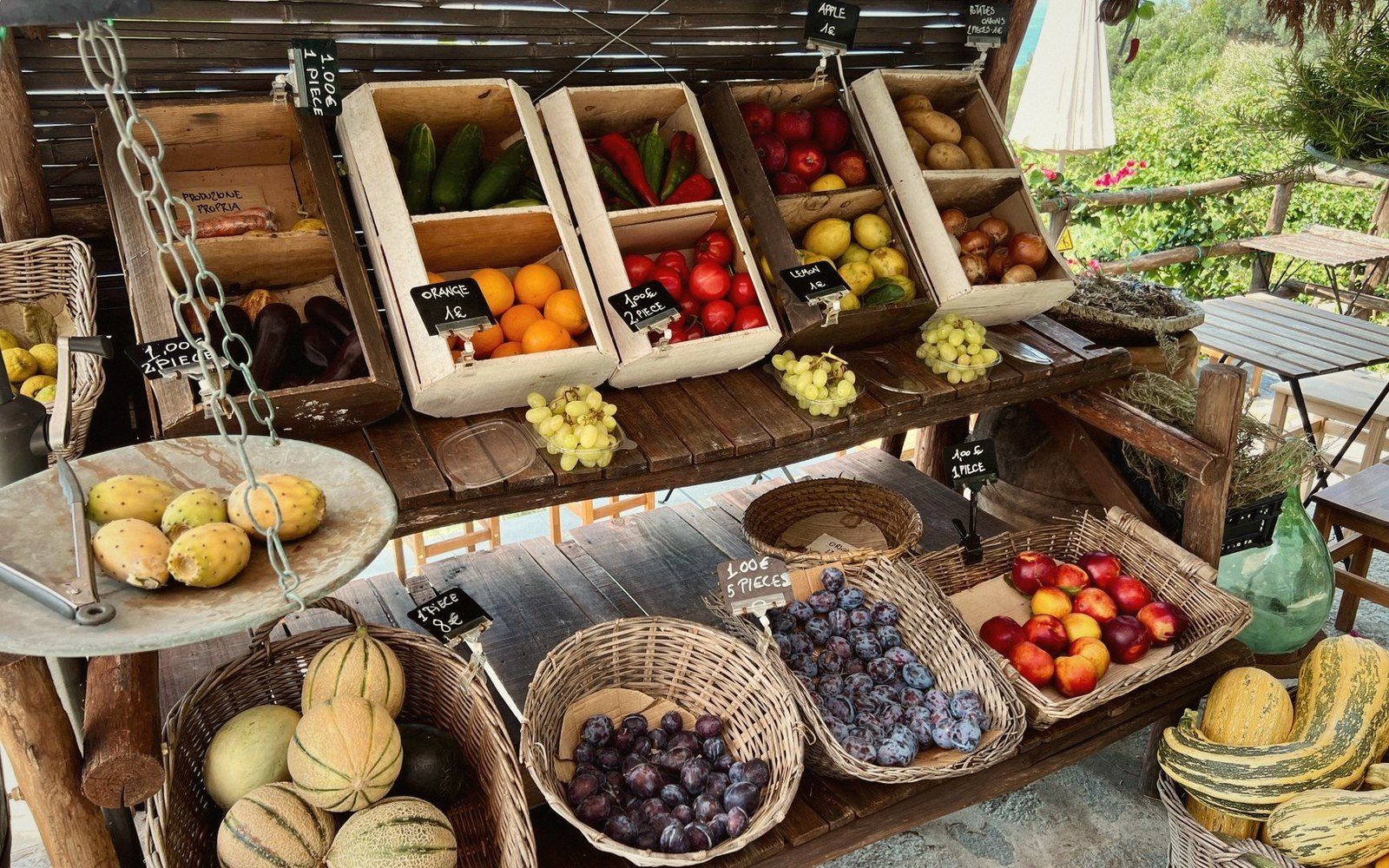
At markets in Lourmarin, Cucuron and Pertuis — the main towns of the southern flank — you will encounter olive oil from several different origins stacked near each other: oil trucked in from the Alpilles, cooperative-branded oil from further west, and occasionally bottles from genuinely local groves. The honest way to distinguish them is to ask directly where the olives were pressed and, better, where they were grown. A local producer will know their commune and their mill; a reseller will not.
What to look for: harvest dates on the label rather than just a year, a mill name you can trace on a map within twenty kilometres, and a pressing method noted as first cold press or continuous cold extraction. Oil from a recent harvest, stored away from light, poured over warm bread, is one of the quieter pleasures the southern flank offers — without any need to call it artisanal.