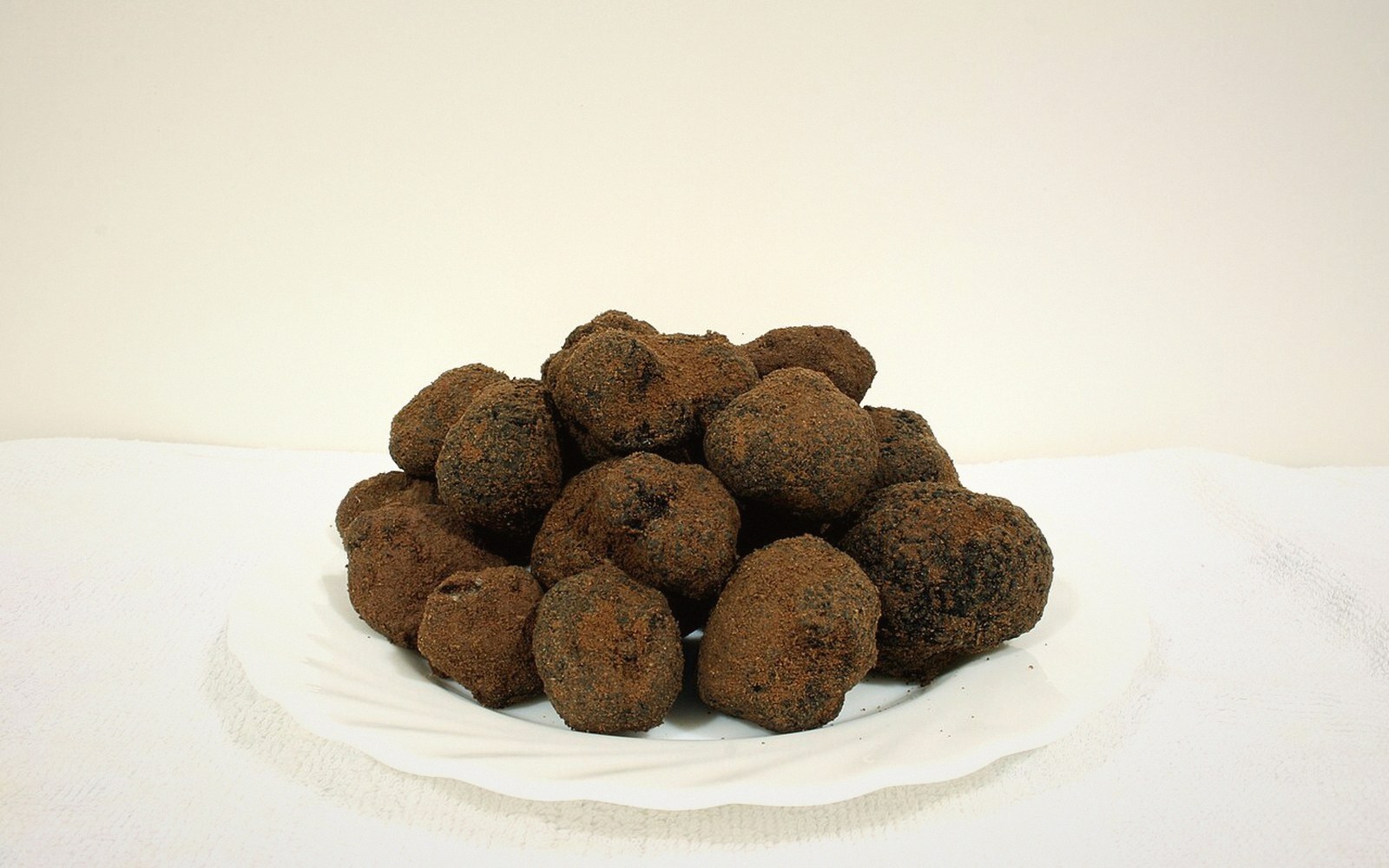
When the black truffle comes in, the Vaucluse's most valuable underground crop quietly reshapes the rhythm of an otherwise ordinary winter market town.
The Crop That Grows in the Dark
The black truffle — Tuber melanosporum, called the black diamond in the trade — grows underground in a mycorrhizal relationship with oak roots, mostly the pubescent oak that covers the limestone hillsides of the northern Luberon and the plateau de Vaucluse above Apt. The trees and the fungus depend on each other; the truffle cannot be farmed in the industrial sense, only cultivated slowly, over years, on properly prepared ground. The Vaucluse is one of the three principal producing departments in France, and the triangle roughly defined by Apt, Carpentras and Richerenches has been the heart of the French black truffle trade for generations.
The season runs from roughly December into March, with the weeks around late January considered peak. Earlier truffles are fragrant but not yet at full intensity; late-season ones risk losing condition fast. The underground timing is determined by the summer rainfall the previous year, which no grower can control, and so the harvest varies in quantity from year to year by margins that can be severe. A poor season is not a partial poor season — it is genuinely short, and prices respond accordingly.
What Apt Actually Looks Like When It Arrives
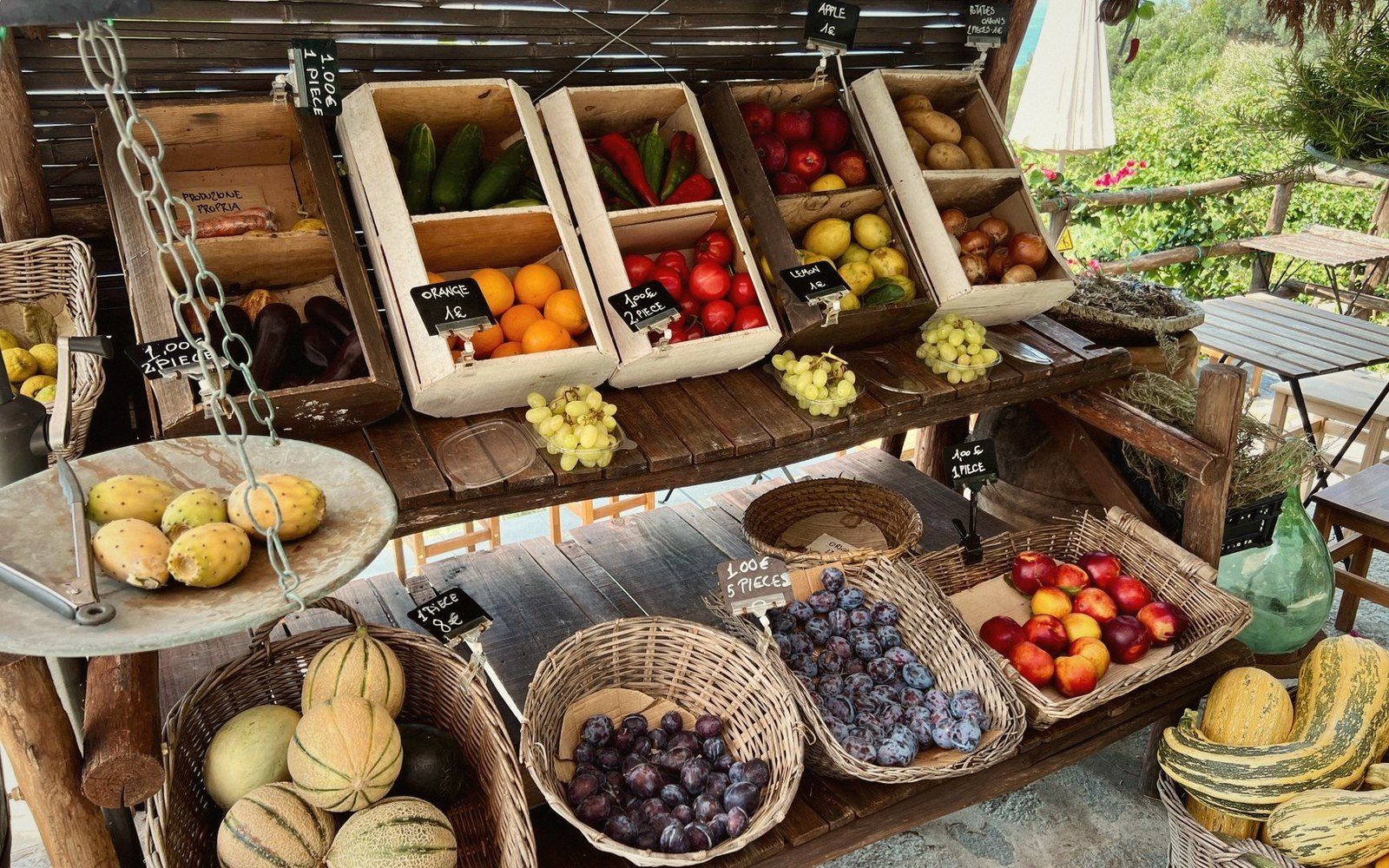
For most of the year, Apt is a working market town running on cherries, ochre, and light manufacturing, attractive to nobody in particular. In truffle season, the dynamic shifts. The Saturday market, already the largest in the Luberon, acquires a section — partly formal, partly improvised — where truffles are sold by weight at a counter that draws a specific crowd: restaurant buyers, the curious, the serious amateur cook, and a smaller number of professional buyers who have already been to the wholesale market before most visitors are awake.
That professional market, held on Saturday mornings in Apt, is conducted with businesslike discretion. Growers arrive with truffles in small containers, often jute or paper bags, never plastic. Buyers assess the goods by weight and smell; the truffle's value is in its perfume, and a truffle that does not smell does not sell. Transactions are largely cash and not particularly welcoming to spectators, though nobody is hostile. It has the atmosphere of a commodity market that happens to be held outdoors in winter coats.
The nearby village of Richerenches, north of the massif near Valréas, runs the largest truffle market in France by volume — much of what is traded there passes through the region's wholesale channels. Apt's market is smaller and more mixed, retail and trade side by side, but it is closer to the Luberon's producing ground and easier to reach for anyone based in the villages.
What Changes Beyond the Market
The truffle season changes what appears on local menus, how certain producers talk about their land, and which visitors show up in an otherwise quiet period. Restaurants that ignore truffles in summer add dishes briefly and seriously — truffle in scrambled eggs, truffle with pasta, truffle under the skin of a chicken. These are not decorative additions; they are ways of using the ingredient without fighting it, letting the perfume saturate fat and starch.
In the villages, you begin to notice jars labelled truffe noire du Périgord on shop shelves in summer, a product of marketing geography that should not be confused with what is grown here. The Vaucluse truffle has its own character and its own growers, and the people who know the difference will tell you without much prompting.
For the traveller who arrives in January rather than July, truffle season is one of the Luberon winter's real compensations. The massif is quiet, the mistral comes and goes, and in the market at Apt there is briefly something worth getting up early for — small, blackened, and worth more per gram than almost anything else in the stalls around it.