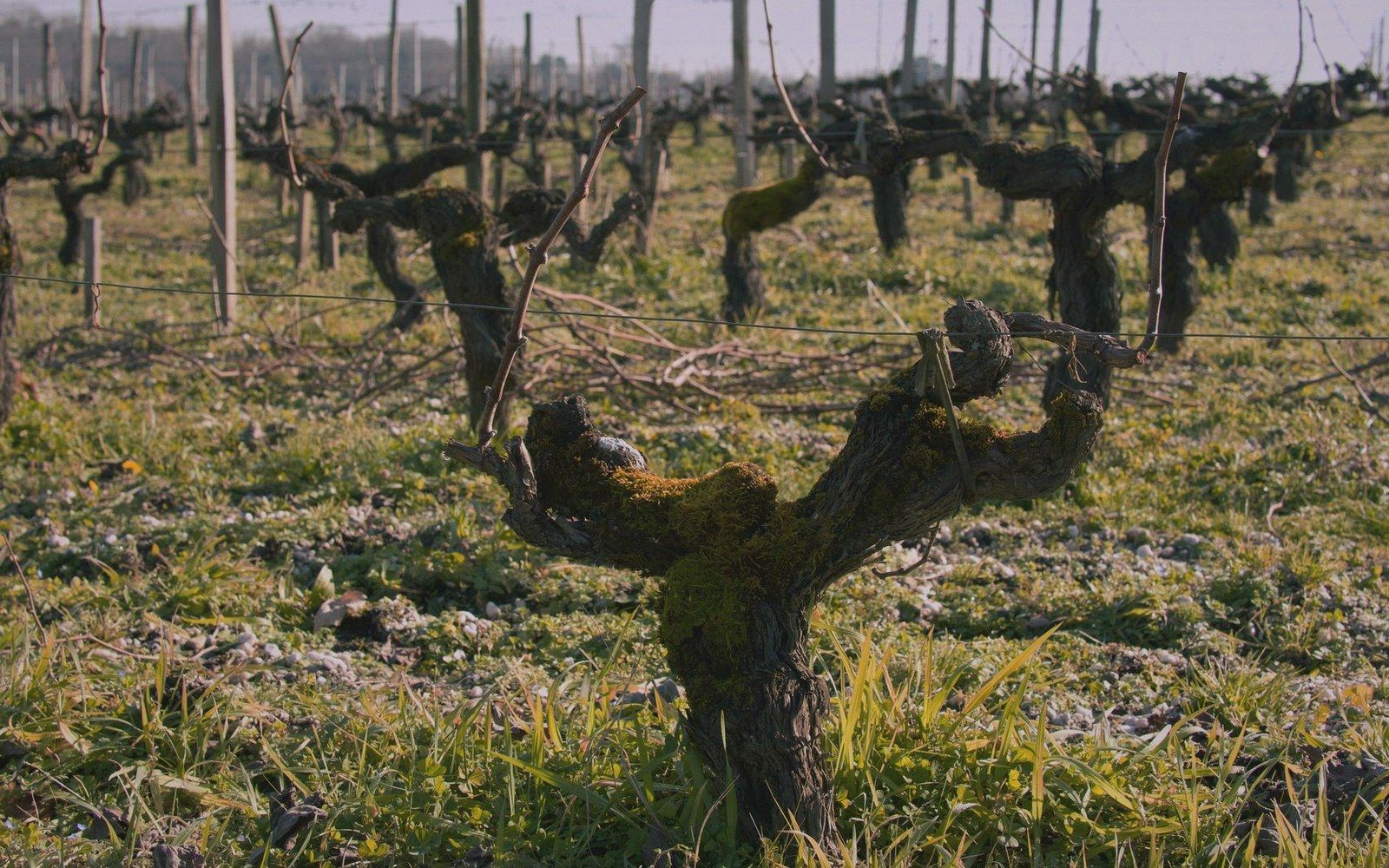
Strip away the canopy and the vineyard finally shows you what it is actually made of
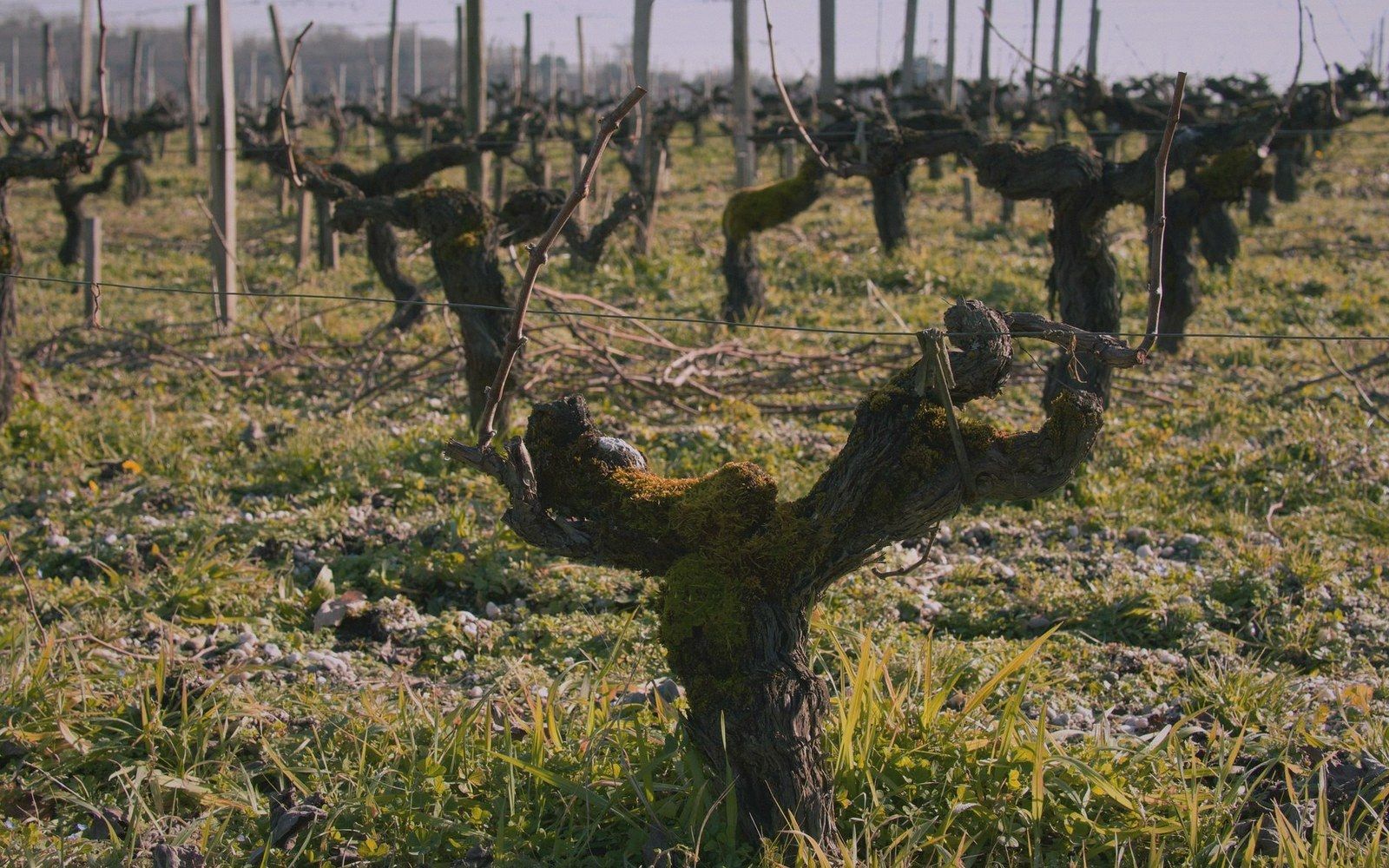
What the Soil Says When Nothing Is Growing
Drive the southern flank of the Luberon in February and the vineyards look nearly dead — rows of knotted wood on pale ground, nothing to distract from the earth itself. That is precisely the point. In August, leaf canopy hides the soil entirely; you see green, and green tells you almost nothing. In winter, the geology speaks.
On the slopes above Lourmarin, the reddish tinge between the vine rows betrays clay mixed with iron oxide — soil that holds moisture through a dry summer and gives wines a certain weight. A kilometre north, the ground shifts to broken white limestone, barely a topsoil at all, and wines from those parcels have a leaner, mineral quality that makes sense the moment you see what the roots are working through. The two flanks of the massif produce wines that taste different partly because they sit on different geology, and winter is when that geology is visible.
Winemakers read their vines this way every year. Pruning in January and February keeps them out in the rows for weeks, long enough to notice which parcels drain fast after rain, which ones hold cold air in a hollow, where the limestone breaks through the ochre clay. The bare vine itself records previous growing seasons in its wood — tight internodes from a stressed year, wider growth from a wet one.
For anyone curious about what a Luberon wine is, the argument is simple: come in February, drive slowly, look at the ground between the rows. The bottle later makes more sense when you have seen the soil it came from.