Where the slope ends and the growing begins
The ground changes almost the moment you leave the villages on the southern flank of the Luberon. The garrigue — the open scrubland of holm oak, rosemary, and bare limestone — gives way within a kilometre or two to something entirely different: flat, irrigated, intensively worked land that runs south toward the Durance. It is not picturesque in the way the perched villages are, but it is serious agriculture, and in early summer it is some of the most productive orchard country in France.
The reason is straightforward geology and hydrology. The Durance, running east–west across the broad basin, has over millennia deposited the deep alluvial soils that fruit trees need. The Luberon massif to the north blocks the worst of the mistral — the cold, dry north wind that scours much of Provence — and the southern aspect angles the land toward maximum sun. Irrigation canals, many of them ancient, channel water from the Durance across the plain. The result is a microclimate that is warm early in spring and sheltered enough to bring stone fruits to ripeness ahead of most French growing regions.
What grows where, and when
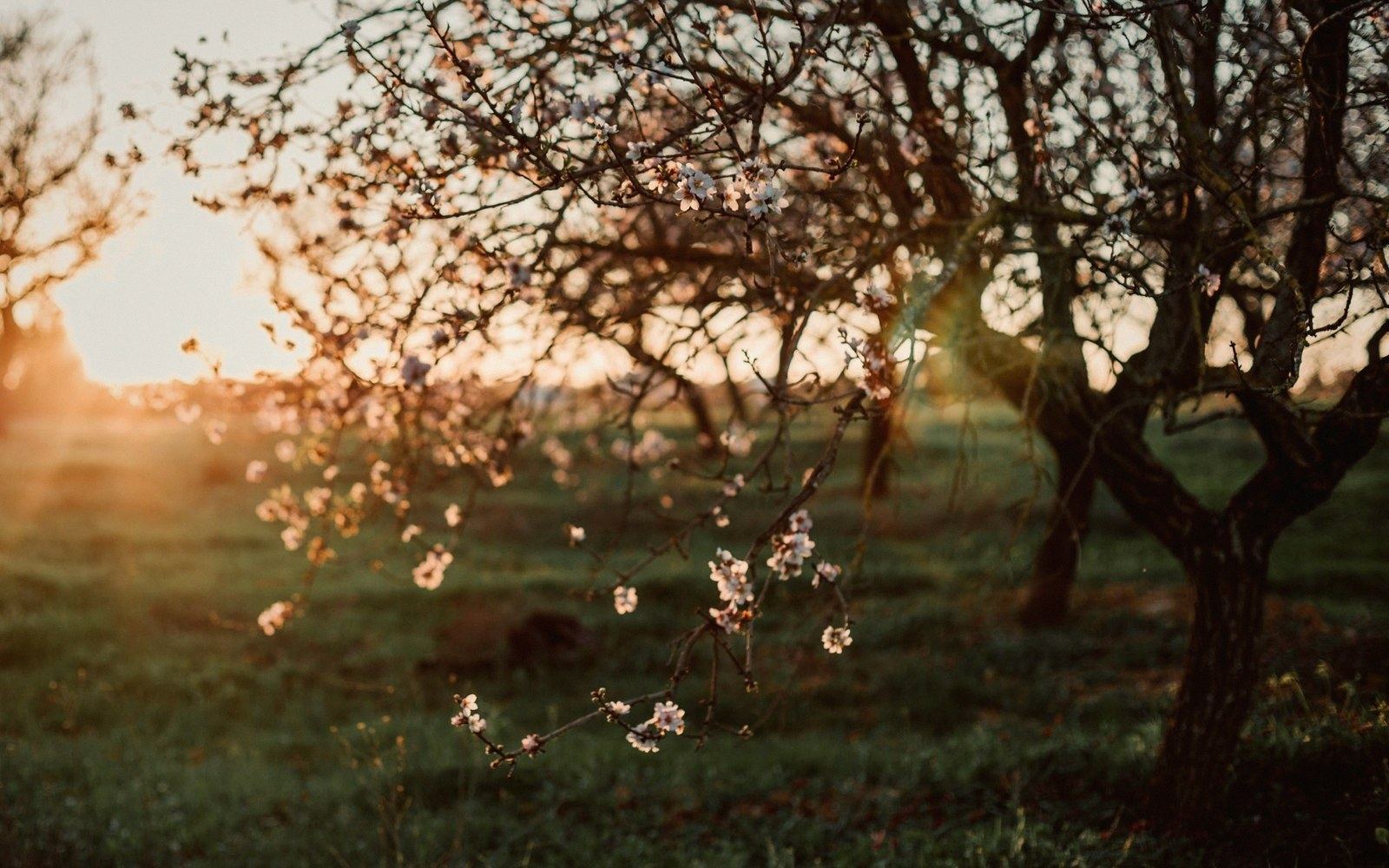
Cherries come first, usually in late spring, and the villages on the lower slopes — Cadenet, Pertuis, La Tour-d'Aigues — are surrounded by cherry orchards whose blossom is visible from the southern approaches to the massif in April. The Vaucluse is consistently among the leading cherry-producing départements in France, and the Luberon fringe accounts for a substantial share of that output. The varieties grown here — Burlat is the earliest, followed by a succession of named cultivars through to the late-season Reverchon — are sold fresh and also processed; the candied fruits (fruits confits) that Apt has produced since at least the seventeenth century draw directly on this harvest.
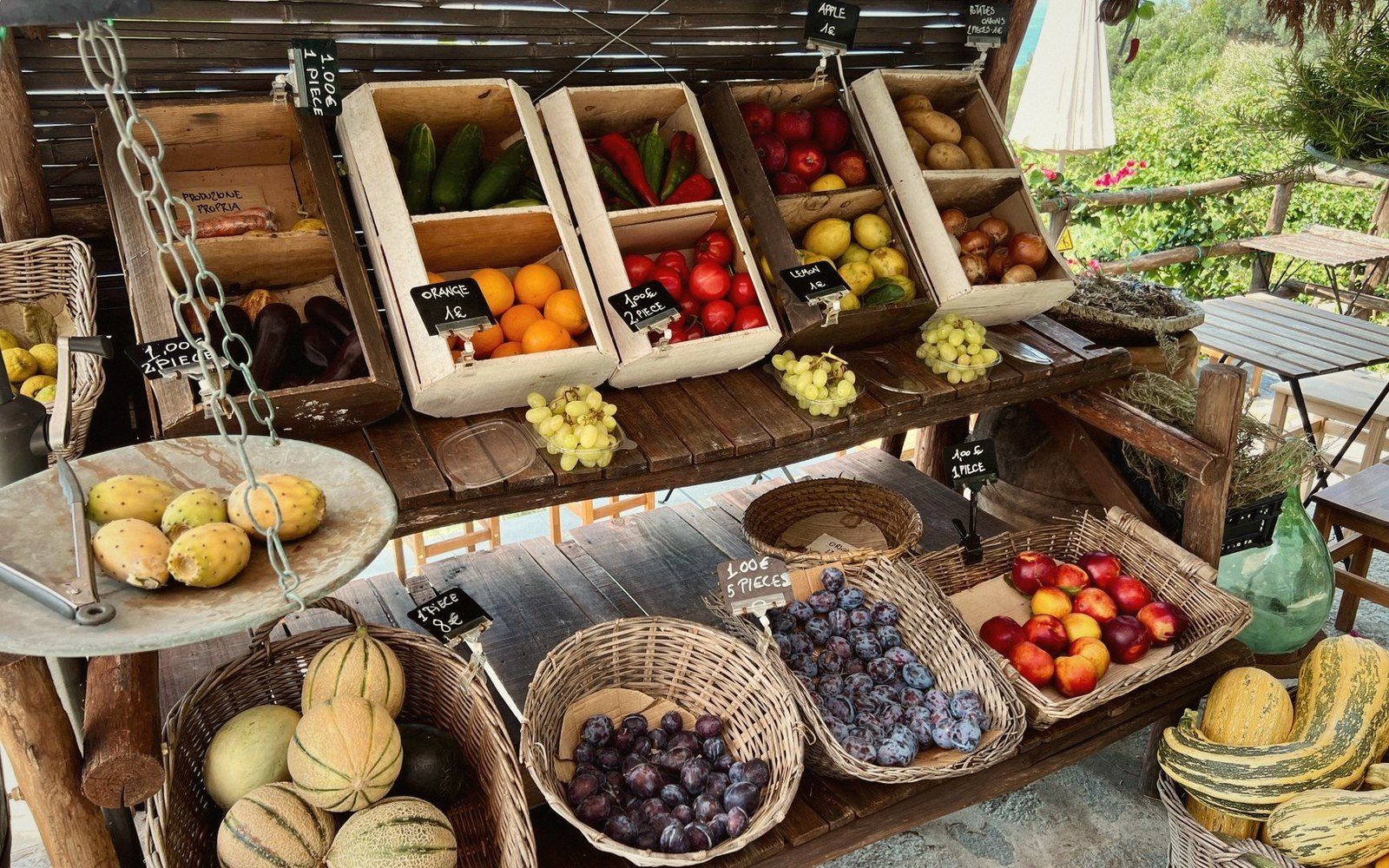
Apricots follow cherries and occupy a slightly different band of the plain — lower, warmer, tolerating the full heat of a Provençal July better than the cherry does. The apricot orchards are less visually striking than cherry rows in blossom but their output is significant both for fresh markets and for the confiseries (confectionery workshops) that have made Apt's fruit-preserving trade a regional identity. The town's market in midsummer, the largest in the Luberon, shifts gear around this harvest: crates stacked high, the smell of warm stone fruit in the morning air, producers arriving from the plain rather than the mountain.
Melons occupy a different ecological niche again. They want flat ground, deep sandy soil, and heat held through the night — conditions found on the lowest part of the plain, closest to the Durance. The Cavaillon melon, perhaps the best-known market garden product in Provence, is grown on precisely this kind of ground at the western end of the basin. By high summer, roadside stalls at the foot of the massif are selling melons so ripe they need eating the same day.
Peaches and nectarines fill in the middle of the summer calendar, grown across the whole belt but concentrated in the wider, flatter sections where irrigation is most reliable. Table grapes appear at the eastern end of the plain, where the alluvial soils thin out and start to give way to the heavier ground that better suits the vine.
The logistics behind the abundance
None of this abundance is accidental or pastoral. The Luberon fringe orchards are commercial operations — trained trees in precise rows, drip-irrigation lines running along the ground, nets overhead to protect cherries from late rain and hail. The Canal de Provence and older canal networks are the infrastructure on which the whole system depends; without managed water the plain would revert to dry garrigue relatively quickly.
For a visitor, the most direct encounter with this produce belt is at the weekly markets — Apt above all, but also the smaller valley markets — where growers from the plain arrive with fruit that was picked that morning. The difference between that fruit and anything transported further is not subtle. The produce belt exists for practical, economic reasons; the fact that eating its output in June is one of the better experiences the Luberon offers is incidental, but it is true.