Two seasons that change the calculation
The Luberon rewards walkers who understand that the massif has two genuinely difficult periods — one hot and dry, one cold and exposed — and that neither is simply inconvenient. One carries legal force; the other is a matter of physical judgement.
Every summer, when the garrigue — the low scrub of cistus, lavender and dried grass that covers much of the plateau — reaches a certain level of dryness, the Parc Naturel Régional du Luberon closes the massif to walkers and cyclists. The arrêté préfectoral (a prefectural order, issued at departmental level) is not advisory. It prohibits access to classified forest and massif land during high-risk periods, typically through the hottest and driest weeks. The restriction is enforced. People are turned back at access points by forest service wardens, and ignoring the closure risks both a fine and, in the event of a fire, genuine catastrophe. The rule exists because the Luberon's vegetation burns fast and the plateau's terrain makes helicopter evacuation difficult.
The closure does not empty the whole landscape. Valley floors, orchard country and the villages remain accessible. A day built around Apt's market or a slow drive along the southern flank changes nothing. But anyone planning to walk the ridge, climb toward Mourre Nègre, traverse the Petit Luberon plateau, or follow any signed GR trail across the top should check the current closure status before setting out. The Prefecture de Vaucluse updates the restriction level daily during the risk season; the park's own website mirrors it. When the level is at maximum, the answer is simply no.
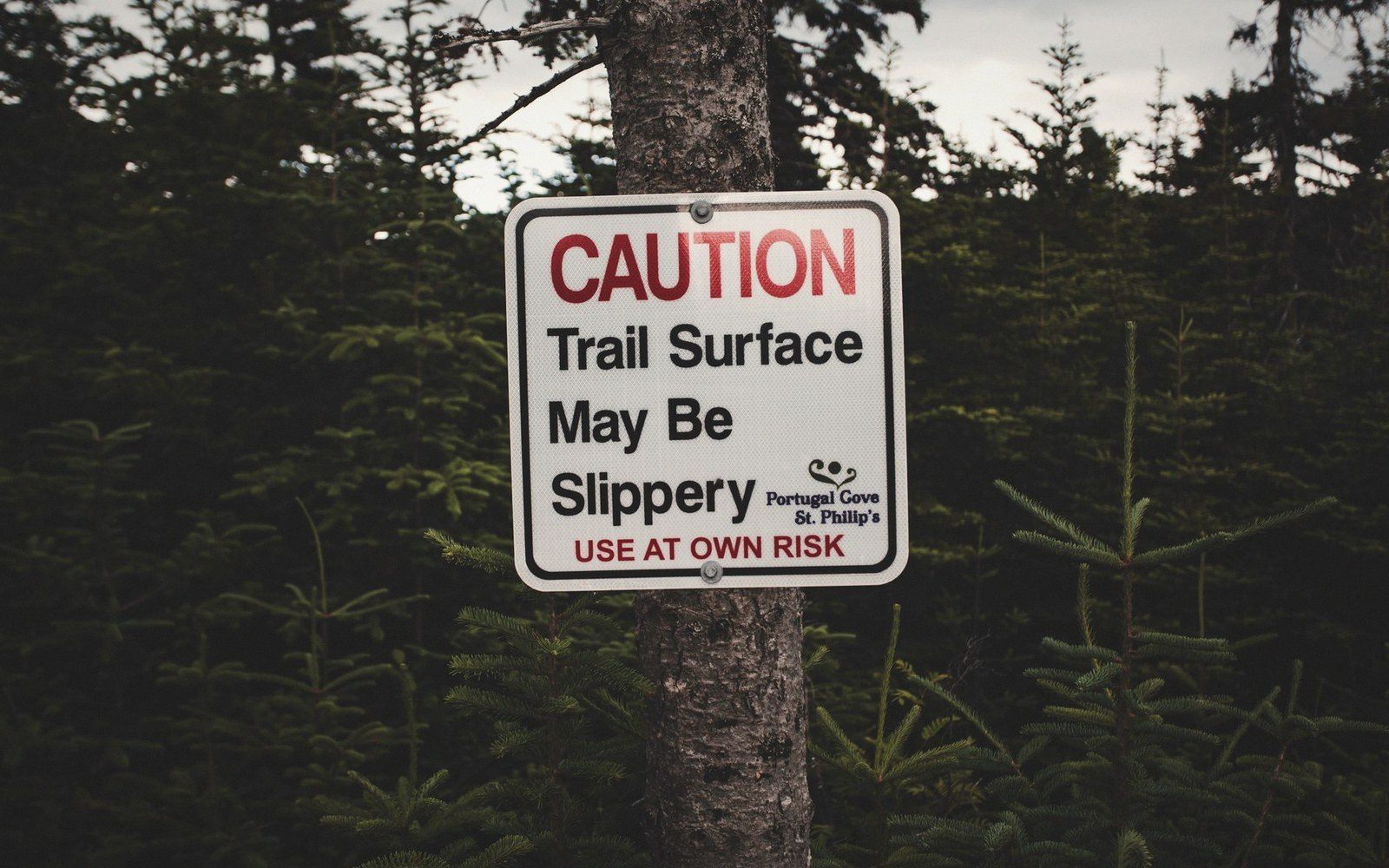
The winter hazard is different in kind. No authority closes the plateau in February, but Mourre Nègre at eleven hundred metres sits above the treeline, and when the mistral is running properly, the wind chill on the Grand Luberon's exposed spine is brutal. The cedar forest above Bonnieux gives some shelter, but the open limestone ridges do not. Paths become slippery with frost in shade, and there is no refuge on the high ground. The practical risk is getting cold faster than expected and having no cover for the walk back.
Neither season cancels the Luberon as a place to be outdoors. Valley walks, the ochre terrain near Rustrel, lower-altitude vineyard circuits and the lanes of the Calavon corridor remain fine throughout both periods. The massif specifically — its plateau, its ridge lines, its highest paths — is the thing that requires timing.
Check before you go. The closure system exists because the massif is serious country, and it means it.